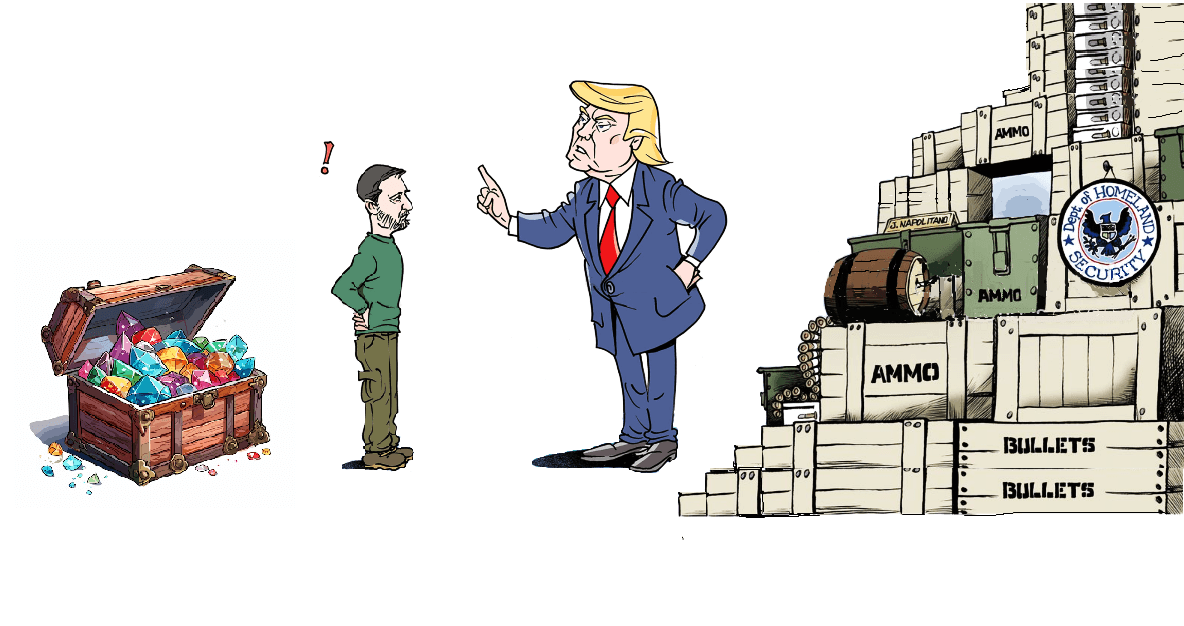
Last Friday, the world witnessed an extraordinary and highly publicized clash between Ukrainian President Volodymyr Zelensky and former U.S. President Donald Trump. The confrontation, which unfolded in the Oval Office in front of U.S. and international media, not only highlighted the strained relationship between the two leaders but also had immediate repercussions on international agreements, including a planned minerals-sharing deal. This incident underscores the critical role that political dynamics play in public procurement and international trade agreements, particularly when high-stakes resources and strategic partnerships are involved.
The recent meeting between Volodymyr Zelensky and President Donald Trump at the Oval Office has sparked controversy and raised questions about the role of politics in public procurement. The standoff, which led to the cancellation of a minerals-sharing deal, serves as a reminder of the complexities involved in international procurement agreements.
The Incident: A Breakdown in Diplomacy
The meeting between Zelensky and Trump was intended to strengthen bilateral ties and finalize a minerals-sharing deal, which was expected to benefit both nations. The deal, reportedly focused on critical minerals essential for technology and defense industries, was seen as a significant step in fostering economic cooperation. However, the discussions quickly devolved into a heated exchange, with both leaders airing grievances in a highly unprofessional manner. The clash was so severe that President Zelensky chose to leave the White House early, abandoning the signing of the agreement.
Implications for Public Procurement
Delayed or Canceled Agreements: The failure to sign the minerals-sharing deal highlights how political tensions can derail critical procurement processes. Such delays can have cascading effects on supply chains, particularly for industries reliant on these resources, such as renewable energy, electronics, and defense.
Uncertainty for Stakeholders: Businesses and government agencies involved in the procurement of these minerals are now left in limbo. The uncertainty surrounding the deal may force them to seek alternative suppliers, potentially at higher costs or with less favorable terms.
Impact on International Trade Relations: This incident could strain future negotiations between the U.S. and Ukraine, as well as other nations observing the fallout. Trust and diplomacy are essential components of successful procurement agreements, and public clashes like this can erode confidence in bilateral partnerships.
Reputational Risks: The very public nature of the disagreement risks damaging the reputations of both leaders and their administrations. For procurement professionals, this serves as a reminder of the importance of maintaining professionalism and discretion in high-stakes negotiations.
Lessons for Procurement Professionals
The Oval Office clash offers several key takeaways for those involved in public procurement:
Diplomacy Matters: Successful procurement relies on strong relationships and mutual respect. Political posturing and public disputes can jeopardize even the most promising agreements.
Contingency Planning: Procurement teams must always have backup plans in place to mitigate the risks of failed negotiations or delayed agreements.
Transparency and Communication: Clear and consistent communication with stakeholders is essential to manage expectations and maintain trust during turbulent times.
Political Instability can Derail Procurement Deals
The tension between Zelensky and Trump highlights the risks associated with relying on political relationships in procurement. When political interests clash, procurement deals can suffer, and public funds may be wasted.
Transparency is Key to Successful Procurement
The incident also underscores the importance of transparency in procurement. In the wake of the meeting, questions arose about the terms of the proposed minerals-sharing deal and the motivations behind it. Greater transparency could have helped build trust and avoided the controversy.
Procurement Professionals Must Stay Apolitical
Procurement professionals must maintain their independence and focus on achieving the best value for public funds, unaffected by political influences. This requires developing robust procurement systems and procedures that can withstand political pressures.
Conclusion
The clash between Zelensky and Trump serves as a stark reminder of how political dynamics can impact public procurement and international agreements. While the minerals-sharing deal remains in limbo, the incident underscores the need for diplomacy, professionalism, and strategic planning in procurement processes. As the global economy becomes increasingly interconnected, the ability to navigate complex political landscapes will remain a critical skill for procurement professionals worldwide.
For more insights on public procurement and its intersection with global politics, stay tuned to procurementbd.com.